
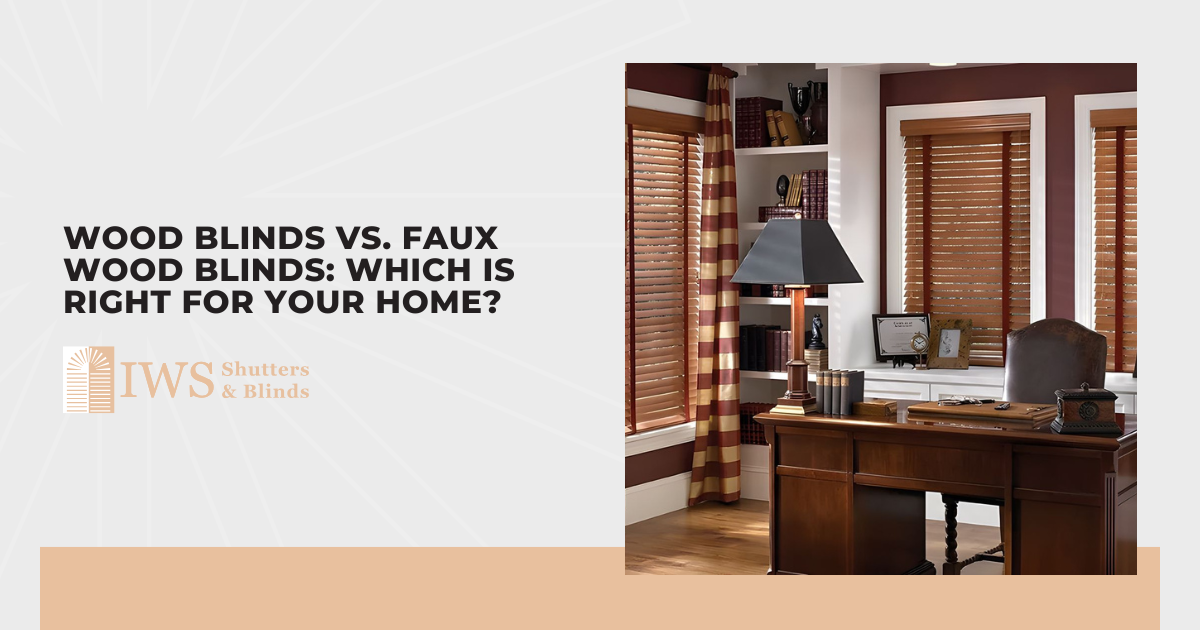
Most homeowners I've worked with want to know which blinds look better, but looks rarely decide which ones actually last. Florida's climate is where that decision really gets made, since heat and humidity treat wood blinds and faux wood blinds very differently once they're hanging on your window. A material that photographs beautifully in a showroom can behave completely differently once it's exposed to steam, sun, or salt air every single day.
That difference plays out most clearly in humidity, which is usually the first thing to expose the wrong choice. A kitchen window over a sink or a bathroom window near a shower puts constant moisture into the air, and real wood absorbs that moisture slowly until it warps, cracks, or discolors within a year or two. Faux material shrugs off that same environment, and once you understand why one material struggles where the other doesn't, weight and price start to matter just as much, since faux wood's added density becomes a real factor once a window gets larger.
Weight, price, and climate all trace back to the same starting point: how wood blinds and faux wood blinds actually behave once installed in your home, not how they look on a sample card. This breakdown covers what actually separates the two:
- Material composition
- Durability in Florida's climate
- Weight and window compatibility
- Maintenance and cleaning needs
- Aesthetic appeal
- Resale value
- Upfront cost comparison
- Which option fits your specific home
Keep reading, and you'll know exactly which one to ask for by the end.
Material Composition
Wood blinds come from real hardwood, most commonly basswood, cut into thin slats and finished with stain or paint to match your interior. Basswood gets chosen over other hardwoods because it's lightweight yet strong enough to hold its shape across a standard-width window. Every slat carries natural grain variation, so no two blinds look exactly alike, which is part of what gives real wood its premium feel in a living room or study.
Faux wood tries to recreate that exact look without using a single real wood fiber. Manufacturers mold PVC or a wood-composite blend into slats, pressing texture and grain patterns right into the material so it passes for hardwood at a glance. You'd probably need to touch both side by side to notice the weight difference, since visually, faux wood does a convincing job standing in for the real thing.
I keep a sample of each in my truck for exactly this reason, since almost nobody can tell them apart just by looking. Weight gives it away faster than color or grain ever will, and faux wood blinds typically run close to a pound heavier per panel than real basswood does. Looks won't settle this decision for you either way, since the two materials only start showing their real differences once they've spent time on your actual window, dealing with your home's heat and humidity day after day.
Durability in Florida's Climate
Florida's humidity doesn't take a break for most of the year, and that constant moisture is exactly what separates these two materials the fastest in your home. Real wood blinds absorb water vapor slowly through its grain, and over months of exposure near your bathroom, kitchen, or a sun-facing window, the slats start to cup, warp, or separate at the joints. Faux wood skips that problem entirely, since PVC doesn't have grain or pores for moisture to seep into in the first place.
Salt air adds another layer to this if you live anywhere near the coast, something you won't have to think about nearly as much farther inland. Salt particles carried in humid air settle on your window treatments over time, and wood finishes can dull or discolor faster once that salt mixes with everyday moisture. Faux wood's sealed surface wipes clean without absorbing any of it, which matters more the closer your home sits to the water.
Direct sun does its own kind of damage regardless of which material you choose. Real wood can fade or develop a slightly rougher texture in a west-facing window after a few years, while faux wood blinds hold its color better but can warp if it's cheaply made and exposed to consistently high heat. Neither material comes through Florida's weather unscathed, but you'll get far less risk from faux wood than you will from real wood over time.
Weight and Window Compatibility
Real wood stays lightweight even in longer slats, which is part of why it works so well on your windows without straining the hardware holding it up. Your blinds tilt and raise smoothly because the mechanism inside isn't fighting against extra weight with every adjustment. A lighter build also means less stress on the headrail over years of daily use, so wood tends to hold its mounting integrity longer on windows within your typical size range.
Faux wood blinds carry noticeably more weight per slat, and you'll notice the difference the moment you lift a sample of each side by side. Larger windows amplify this problem for you, since a wide faux wood blind can push close to the weight limit of standard mounting hardware, especially on windows wider than about four feet. You'll want heavier-duty brackets or a product line rated for oversized windows if you're going with faux wood on anything beyond a standard-size opening.
Smaller windows rarely run into these issues either way, so weight becomes far less of a factor on your bathroom or kitchen window than it does on a large picture window or sliding glass door. Your window's actual dimensions should guide this decision more than personal preference alone, since even a favorite material can underperform on the wrong-sized opening. Checking your window's width and its hardware's weight rating before you decide saves you from a blind that sags or operates roughly within the first year.
Maintenance and Cleaning
From my experience, wood blinds need a gentler touch than you might expect once they're hanging on your window. A dry microfiber cloth or a soft brush attachment handles dust just fine, but soaking a rag in water or using a heavy cleaner strips the finish and invites the same warping issues humidity causes on its own. You'll also want to plan on occasional refinishing over the years, since sun exposure and general wear eventually dull the original stain or paint.
Cleaning faux wood blinds takes far less care on your end than wood ever will. A damp cloth, mild soap, or even a quick wipe with an all-purpose cleaner removes dust, fingerprints, or grease without damaging the surface, since PVC doesn't react to moisture the way real wood does. Your kitchen or bathroom benefits most from this difference, especially if those rooms tend to generate grease, steam, or splashes that would otherwise threaten a wood finish.
Neither material takes much of your time to maintain overall, but faux wood forgives mistakes that would ruin real wood almost immediately. Grab whatever cleaner happens to be under your sink and faux wood handles it fine, while wood blinds need you sticking to the right products every time. One difference alone makes faux wood the lower-maintenance choice if your household stays busy or you're managing a rental where upkeep often falls by the wayside.
Aesthetic Appeal
Warmth and depth are what set natural material apart, especially in daylight where grain variation and subtle color shifts become obvious on wood blinds. Your living room or study tends to benefit most from that richer look, since real wood blends into traditional or high-end interiors in a way synthetic materials sometimes struggle to replicate. Every slat carries its own character, so a full set of wood blinds ends up looking slightly different from any other homeowner's, even with the same stain color.
Manufacturing has closed that visual gap more than most people expect once faux wood blinds are actually installed. Modern techniques produce faux grain patterns and finishes convincing enough that guests rarely notice the difference unless they're told outright. Your window treatment still reads as upscale with faux wood, especially in a room where lighting doesn't highlight fine texture the way a sunlit living room would.
A beach house down the street from your home probably has faux wood throughout, while a historic home a few blocks over likely still has real wood original to the house. Both choices work, and neither one signals a compromise once it's actually installed and dressed with the right hardware. Picking between them comes down to whichever finish matches the feeling you're going for in that specific room.
Resale Value
Buyers touring higher-end homes tend to notice when window treatments look cheap, and your wood blinds signal a level of quality that many expect once they're already impressed by the rest of the house. Your wood blinds also photograph well in listing photos, adding a warmth that synthetic materials sometimes struggle to capture under staged lighting. A home priced well above the local average often benefits from that extra polish, since buyers in that range tend to compare finishes as closely as they compare square footage.
Your faux wood blinds carry their own weight during a sale too, especially in kitchens, bathrooms, or rental units where buyers care more about function than material pedigree. Durability becomes the selling point here, since a buyer touring your home with kids or pets in mind values something that won't warp from humidity over something that looks slightly more premium. Moisture resistance tends to come up during a walkthrough in humid coastal markets like yours, and faux wood answers that concern before a buyer even has to ask.
A sale rarely hinges entirely on one material choice, but a mismatch can raise questions during a showing. A beach cottage listed with heavy formal wood blinds might feel oddly out of place to a buyer expecting a casual coastal feel, just as a historic home with visibly synthetic blinds might undercut its own character. Your material should fit your home's actual style, since that connection tends to matter more to a buyer than which option costs more upfront.
Upfront Cost Comparison
Real wood blinds cost more per window than their synthetic counterpart, largely because of the labor involved in cutting, staining, and finishing each slat to a consistent quality on your home's windows. Wider windows widen that cost gap even further for you, since more material and more finishing work both drive the price up together. Species and finish choice also factor into your total, with premium woods and custom stains adding on top of a standard hardwood option.
Manufacturing costs stay lower for faux wood blinds, and that savings shows up directly on your invoice. PVC production scales efficiently even as your window sizes increase, which keeps per-slat pricing more consistent than real wood ever manages. Covering multiple rooms in your home with faux wood often costs noticeably less overall than doing the same with real wood, especially once an entire house is being priced out at once.
I've had clients start out budgeting for real wood throughout their home, only to switch several rooms to faux wood once the total cost got compared side by side. Adjustments like that happen more often than expected, especially in secondary bedrooms or bathrooms where the premium look matters less than sticking to your budget. Real wood can go where it matters most in your home, faux wood can cover everywhere else, and the result still ends up looking intentional room to room.
Which One Fits Your Home?
From what I've seen across hundreds of installs, your decision usually comes down to just two questions: where's your window, and how much does your budget matter for that specific room. Your bathroom, kitchen, or laundry room almost always points toward faux wood blinds, since humidity resistance outweighs any aesthetic advantage wood blinds might offer in those spaces. Your bedrooms, living room, and formal dining area tend to lean the other way, especially if the room stays dry and you want a higher-end look guests will notice.
Budget plays its own role independent of location. If you're covering an entire house on a tight budget, faux wood throughout often works better, since the savings add up fast across multiple windows without sacrificing much visually. A flexible budget opens the door to mixing both, real wood in the rooms that matter most to you visually, faux wood in the rooms that see more moisture or daily wear.
Window size deserves a final check before you lock in either material. Standard windows handle either option without issue, but anything unusually wide on your home should get measured against the weight limits covered earlier, especially if faux wood is your front-runner. Matching material to your room, your budget, and your window size together, rather than picking one factor in isolation, tends to produce the choice that actually holds up in your home over time.
Conclusion
Looks rarely settle this decision the way most people expect going in, since the room a window sits in usually matters more than which material photographs better. Humidity, budget, and window size all point toward one option or the other long before personal taste ever enters the conversation. A quick consultation clears up the rest fast, especially for oversized windows or rooms where the wrong choice could mean a warped blind within a year. The right pick almost always comes down to matching material to the room, not choosing a favorite and hoping it works everywhere.