
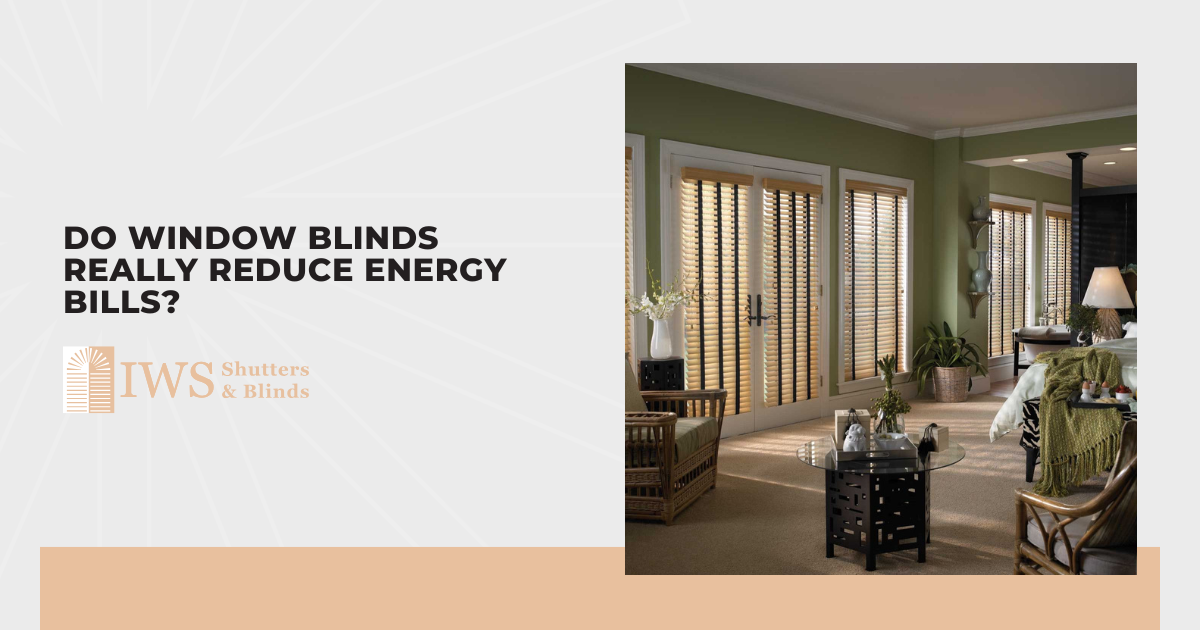
Rising energy costs have many homeowners looking for simple ways to improve efficiency without major renovations. I’m often asked whether window blinds truly make a difference, and it’s a great question to consider. Window blinds are frequently suggested as a practical solution, but do they actually help lower energy bills? The short answer is yes. When used correctly, window blinds can help regulate indoor temperatures by reducing solar heat gain and minimizing heat transfer through windows.
This improved temperature control means your HVAC system doesn’t have to work as hard, which can lead to noticeable savings on your energy bills over time. The level of impact depends on factors such as material, color, window orientation, and daily use. Understanding these variables will help you make smarter choices and maximize the energy-saving potential of your window blinds.
Below, we’ll discuss how window blinds reduce energy bills, which options offer the best efficiency, the factors that influence savings, and whether they’re a worthwhile investment for your home.
- How window blinds reduce energy bills
- Which window blinds are most energy-efficient
- Factors that affect energy savings
- Are window blinds worth the investment
Let’s break down the essentials so you can see exactly how window blinds contribute to a more energy-efficient home.
How Window Blinds Reduce Energy Bills
Window blinds play a meaningful role in improving your home’s energy efficiency by controlling how heat enters and escapes through your windows. During hot months, they act as a barrier against direct sunlight, significantly reducing solar heat gain and keeping indoor spaces cooler. By limiting heat transfer, blinds help lower overall energy consumption and contribute to noticeable savings on monthly utility bills.
In addition to blocking sunlight, window blinds provide a layer of insulation that helps stabilize indoor temperatures. When closed, they trap a pocket of air between the window and the room, slowing down the movement of heat. A more stable indoor climate means your HVAC system doesn’t have to work as hard to maintain comfort, which can extend its lifespan and reduce maintenance needs.
Adjustability is another key advantage. Unlike fixed window treatments, blinds allow you to tilt the slats to manage light and heat throughout the day without sacrificing natural illumination or privacy. This flexibility makes it easier to optimize energy savings based on the sun’s position, reducing glare while still brightening your living space.
Consistent use of window blinds can lead to measurable improvements in comfort and energy efficiency. Balanced indoor temperatures reduce strain on cooling systems and support lower utility costs. With the right materials and day-to-day operation, window blinds become a simple yet effective tool for managing energy expenses year-round.
Which Window Blinds Are Most Energy-Efficient?
Not all window blinds offer the same level of energy efficiency. Material, color, and construction style all influence how effectively they block heat and insulate your home. Selecting the right option can make a noticeable difference in indoor comfort and monthly energy costs. Here are some of the most energy-efficient window blinds to consider:
- Faux Wood Blinds:
Durable and moisture-resistant, faux wood blinds are a reliable choice for warm, humid environments. Solid slats help block sunlight and reduce heat transfer, supporting more stable indoor temperatures. They also deliver a classic look with minimal maintenance.
- Wood Blinds: Natural insulation and timeless style make wood blinds a strong performer in energy-conscious homes. The wood helps regulate indoor temperatures while reducing solar heat gain. Best suited for areas with controlled humidity such as living rooms, bedrooms, and home offices.
- Vertical Blinds:
Large windows and sliding glass doors benefit from the flexibility of vertical blinds. Adjustable slats allow precise control of light and airflow throughout the day. This flexibility helps minimize direct sun exposure during peak heat hours and improves overall energy efficiency.
- Panel Track Blinds:
Expansive openings are easily managed with the clean, streamlined coverage of panel track blinds. Wide fabric panels reduce light gaps and help limit solar heat gain. When made with solar-screen or blackout materials, they also improve insulation, privacy, and light control.
- Light-Colored Blinds: Color plays a significant role in energy performance, and light-colored blinds reflect more sunlight while absorbing less heat. This simple design choice helps keep rooms cooler and reduces the demand on air conditioning systems. The effect enhances the overall efficiency of your window blinds.
Selecting energy-efficient window blinds involves balancing performance, durability, and style. Focusing on materials and colors that enhance insulation and reflect heat will help create a more comfortable home while supporting lower energy expenses.
Factors That Affect Energy Savings
While window blinds can improve energy efficiency, the level of savings depends on several key factors. In my experience, understanding these variables helps you get the most value from your investment. Small adjustments in selection and day-to-day use can make a noticeable difference in comfort and utility costs. Here are the primary factors that influence how effectively window blinds reduce energy bills:
- Window Orientation: The direction your windows face has a major impact on heat gain. South- and west-facing windows receive the most direct sunlight, increasing indoor temperatures and energy demand. Strategically adjusting your window blinds throughout the day helps manage this exposure and improve efficiency.
- Proper Fit and Installation: A precise fit ensures minimal gaps where heat can enter or escape. Poorly fitted blinds reduce insulation performance and limit their effectiveness. Professionally measured and installed window blinds create a tighter seal and better thermal control.
- Material and Color Selection: Different materials offer varying levels of insulation and heat resistance. Light-colored blinds reflect more sunlight, while heavier materials provide better thermal barriers. Choosing the right combination enhances both comfort and energy savings.
- Daily Usage Habits: Consistent operation plays a crucial role in maximizing benefits. Closing blinds during peak sunlight hours and opening them when natural light is beneficial helps regulate indoor temperatures. Simple, day-to-day adjustments can lead to meaningful reductions in energy consumption.
- Integration With Other Window Treatments: Pairing window blinds with curtains, drapes, or window films can further improve insulation. Layered treatments create additional barriers against heat transfer. This combined approach enhances overall energy efficiency and indoor comfort.
Roof and Attic Performance: Windows are only one entry point for heat. Much of a home's summer heat gain comes through the roof and attic, so having a roofing company in Coral Springs check insulation and ventilation can prevent your blinds from fighting a losing battle.
By paying attention to these factors, you can ensure your window blinds perform at their highest potential. Optimizing orientation, fit, materials, and usage habits leads to greater comfort and more consistent energy savings throughout the year.
Are Window Blinds Worth the Investment?
Improving energy efficiency doesn’t have to mean taking on a major renovation. If you’re looking for a practical way to manage indoor temperatures and reduce cooling costs, window blinds offer a simple and effective solution. By limiting solar heat gain, they help keep your home more comfortable while easing the demand on your air conditioning system. For many homeowners, this translates into noticeable savings on monthly energy bills.
Beyond energy savings, you’ll also benefit from increased comfort, privacy, and protection for your interiors. Window blinds help block harmful UV rays, reducing the risk of fading on furniture, flooring, and décor. With durable materials and low-maintenance designs, they continue to perform well without requiring much upkeep. These added advantages enhance the overall value of your investment.
You’ll find window blinds available in a wide range of styles and price points, making it easier to choose an option that fits your budget. Professional measurement and installation can further improve their effectiveness and longevity, ensuring you get the best possible performance. Even a modest upgrade can make a meaningful difference in both comfort and efficiency.
If you’re weighing the benefits, window blinds are a smart, cost-effective choice for most homes. Consistent use supports balanced indoor temperatures and helps reduce strain on your cooling system. With the right selection and proper installation, you can enjoy immediate comfort along with long-term energy savings.
Conclusion
Reducing energy bills doesn’t have to involve major renovations, and window blinds offer a simple way to improve both comfort and efficiency. By limiting solar heat gain, adding insulation at the window, and easing the workload on your HVAC system, they contribute to lower monthly utility costs. The level of savings depends on choosing the right materials, ensuring a proper fit, and using them consistently throughout the day. Options such as faux wood, wood, vertical, and panel track blinds provide effective light and heat control while enhancing your home’s style. With the right selection and daily use, this upgrade delivers reliable performance and long-term value for your home.